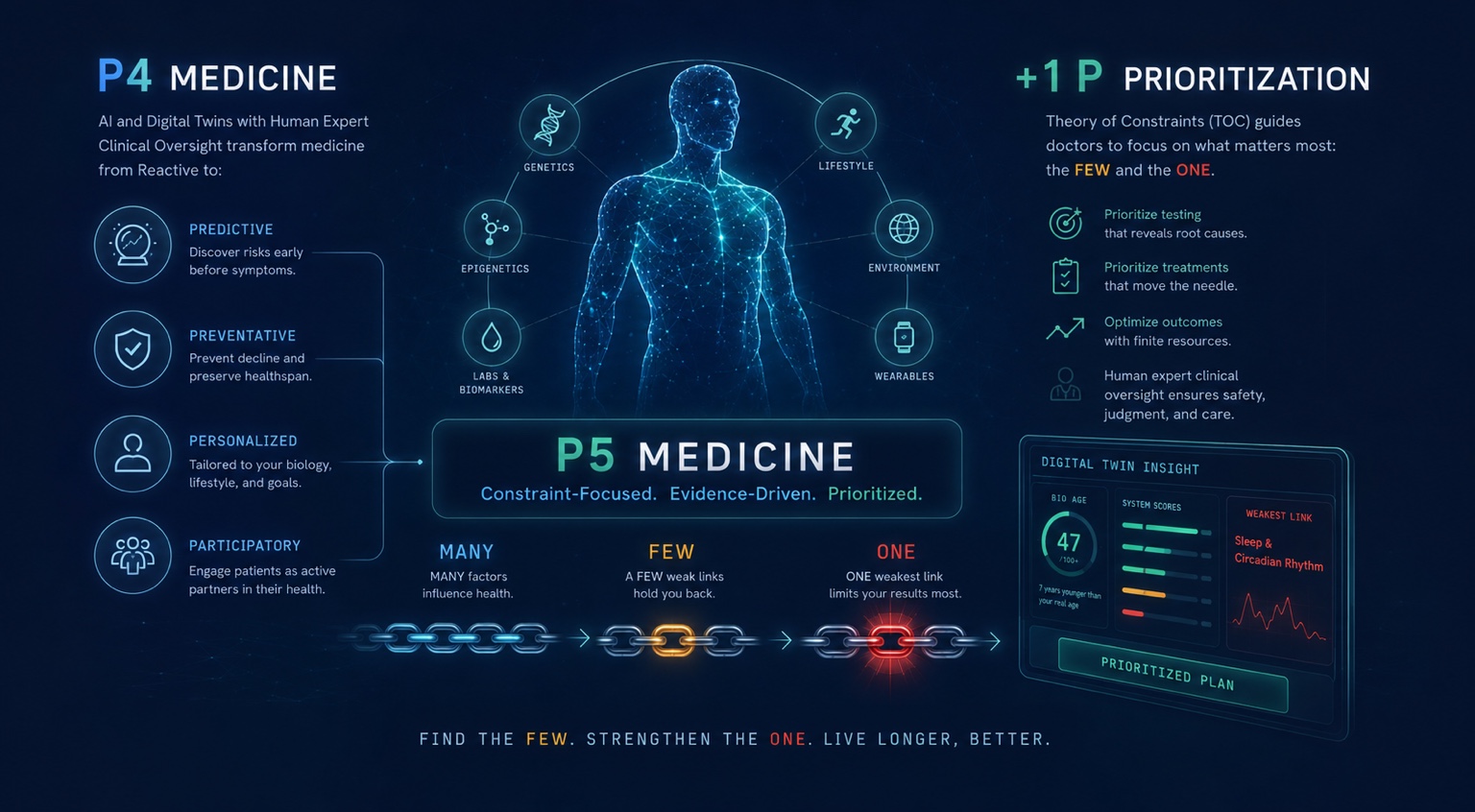
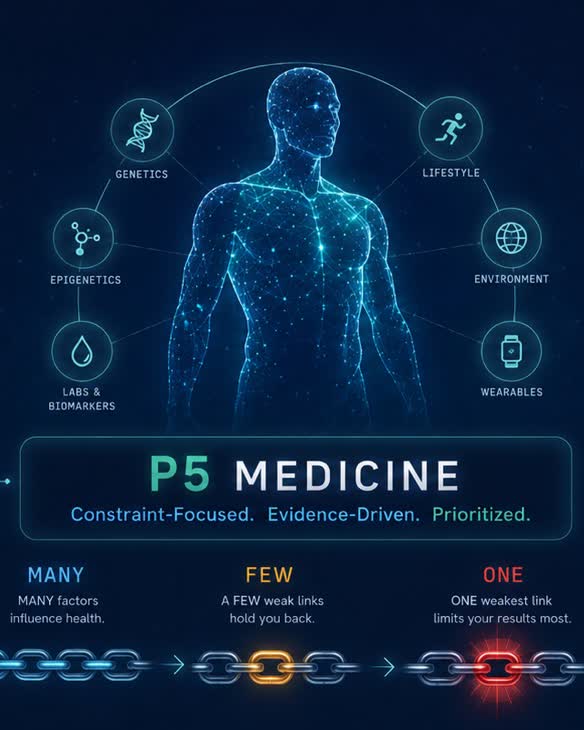
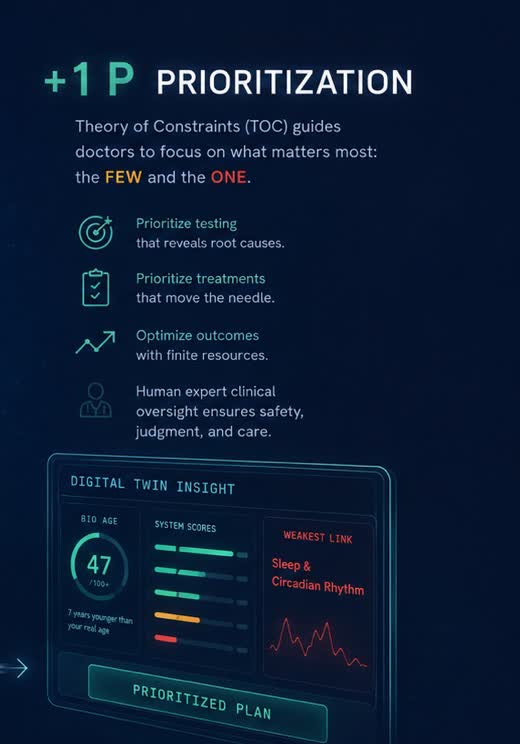




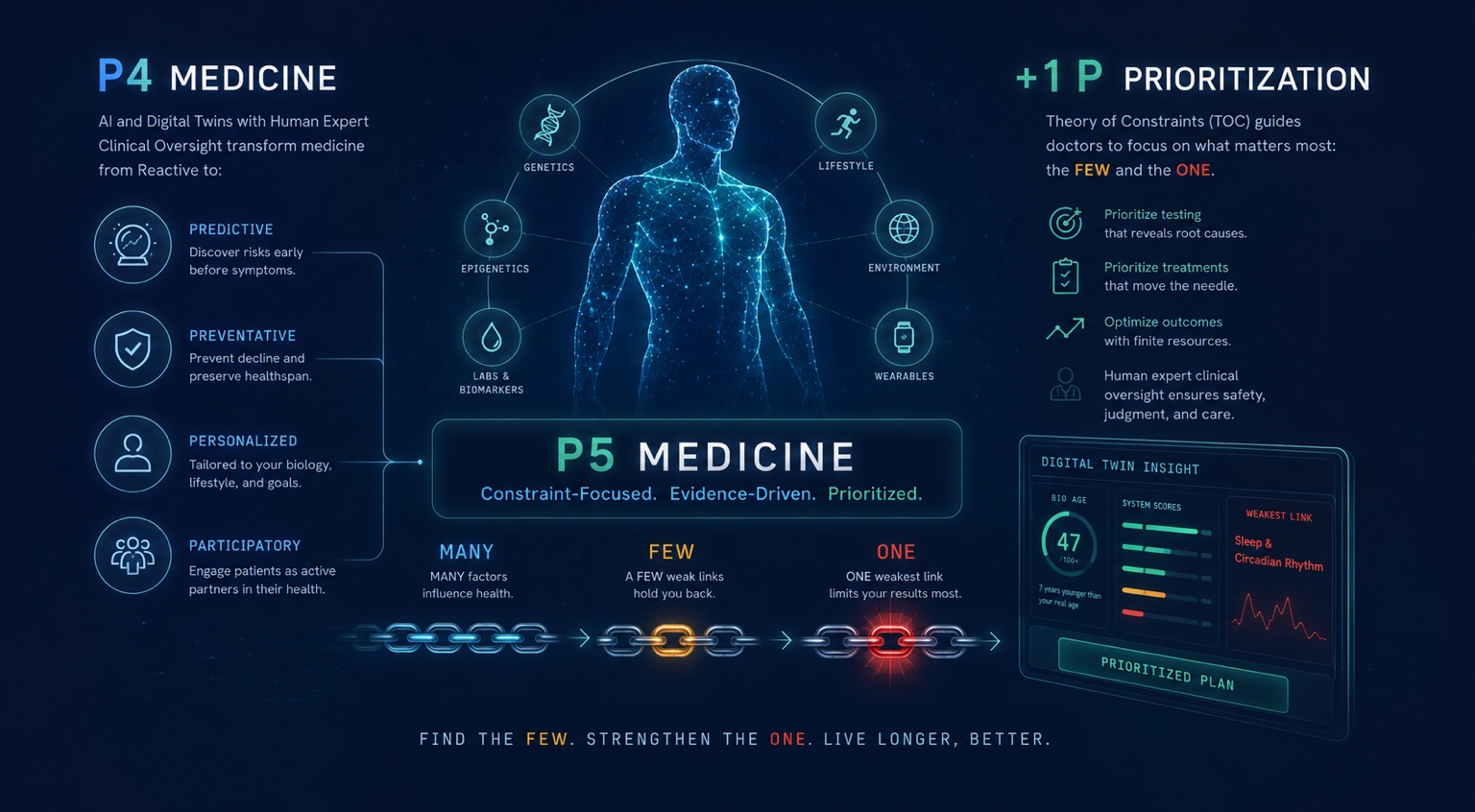
Approved Constraint-Focused P5 Medicine visual showing P4 Medicine, a digital human, prioritization, Many to Few to One, and a Digital Twin insight dashboard.
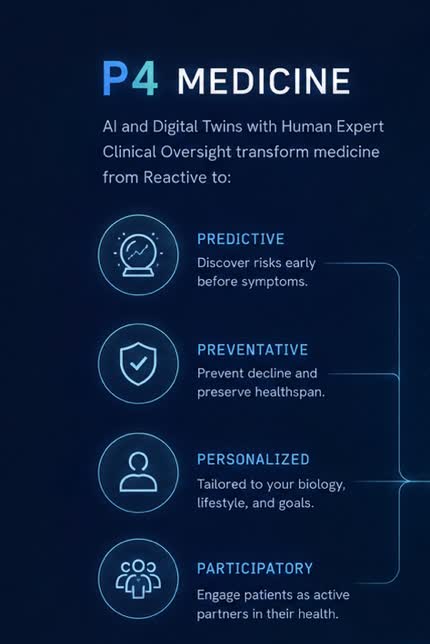
P4 Medicine: Predictive, Preventative, Personalized, Participatory
P5 Medicine: Constraint-Focused, Evidence-Driven, Prioritized — from Many to Few to One
+1P Prioritization: Theory of Constraints guides doctors to focus on the FEW and the ONE, with a Digital Twin insight dashboard
Find the FEW. Strengthen the ONE. Live longer, better.
WATCH

Introducing P5 Medicine

THE EVOLUTION OF MEDICINE

From physiology to prioritized medicine

More than a century of ideas converged into a systems approach that asks not only what can be measured or improved, but what matters most now.

EXPERIMENTAL PHYSIOLOGY
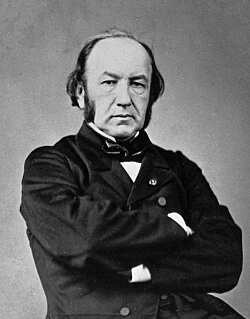
Claude Bernard

Claude Bernard, MD

The internal environment and experimental physiology.

HOMEOSTASIS
Dr. Walter Cannon

Dr. Walter Cannon, MD

Coordinated regulation and physiological stability.

WHOLE-PATIENT MEDICINE
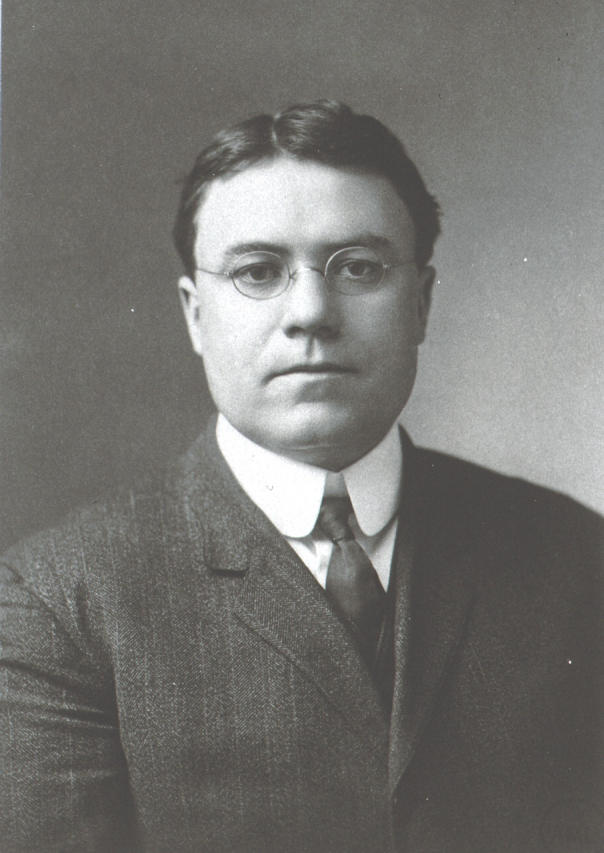
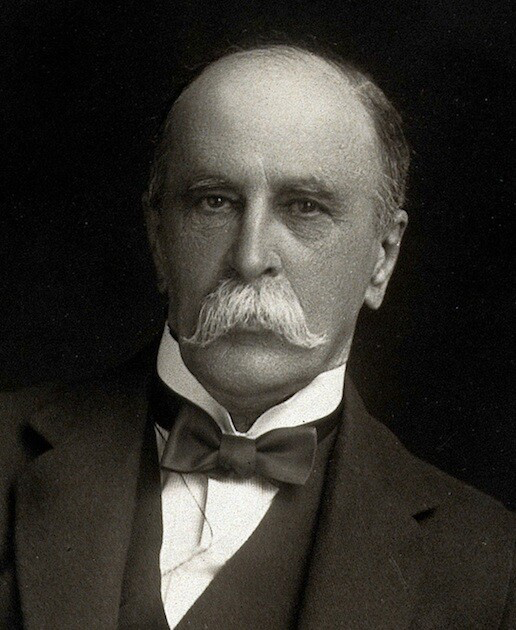
Sir William Osler

Sir William Osler, MD

Treat the whole patient, not only the disease.

P3 → P4 MEDICINE
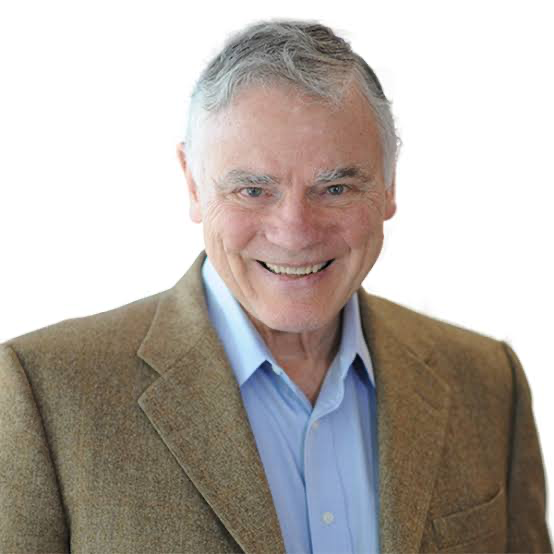
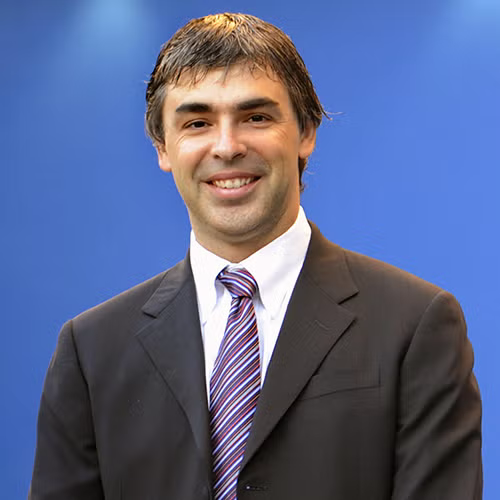
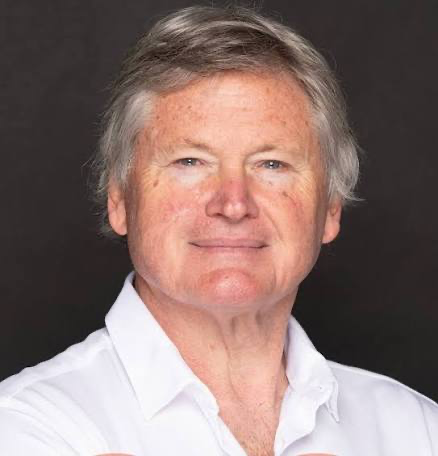
Dr. Leroy HoodLarry Page

Dr. Leroy Hood + Larry Page

Dr. Leroy Hood developed P3 Medicine; Larry Page suggested adding Participation, creating the fourth P.

SCIENTIFIC WELLNESS
Dr. Leroy HoodDr. Nathan Price

Dr. Leroy Hood + Dr. Nathan Price

Dense longitudinal data and actionable wellness.

CONSTRAINT-FOCUSED P5
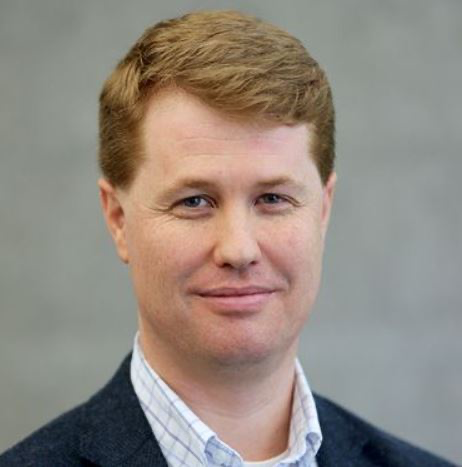
Dr. Graham SimpsonDr. Alan Barnard

Dr. Graham Simpson +
Dr. Alan Barnard

Co-developers integrating these foundations. Dr. Barnard named the fifth P, Prioritized, and the proposed sixth P, Purpose-driven.

STANDING ON THE SHOULDERS OF SCIENTIFIC GIANTS

Distinct contributions informing P4, P5 and the proposed P6

These pioneers contributed concepts, knowledge and technologies that inform Constraint-Focused P5 Medicine and the proposed sixth P. Each contributor is credited for their specific work, including the development of P4 medicine and its translation into healthcare. Inclusion does not imply that everyone co-created the same framework, or endorsed P5 or P6. The co-developers, Dr. Alan Barnard and Dr. Graham Simpson, then integrated these foundations into a testable framework for prioritization.

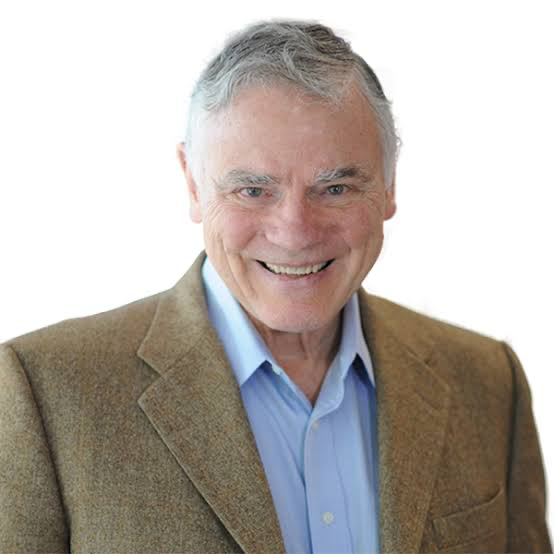
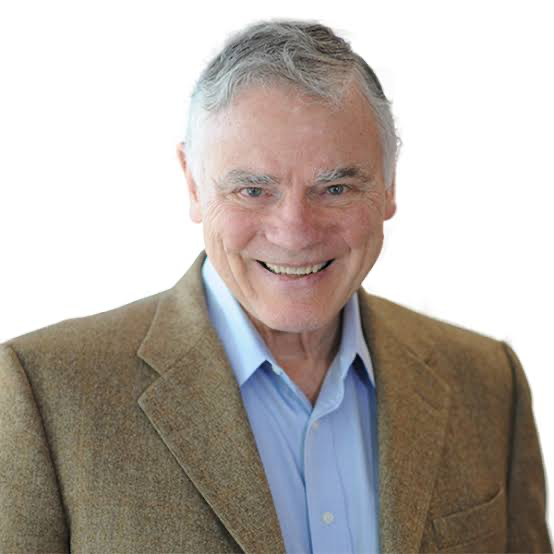
Dr. Leroy Hood

Dr. Leroy Hood
MD, PhD

Systems Biology, P3 & P4 Medicine
Dr. Nathan Price

Dr. Nathan Price
PhD

Scientific Wellness & Longitudinal Data
Dr. David Furman

Dr. David Furman
PhD

Immunology of Aging & Inflammaging
Dr. Martin Picard

Dr. Martin Picard
PhD

Mitochondrial Psychobiology & Energy
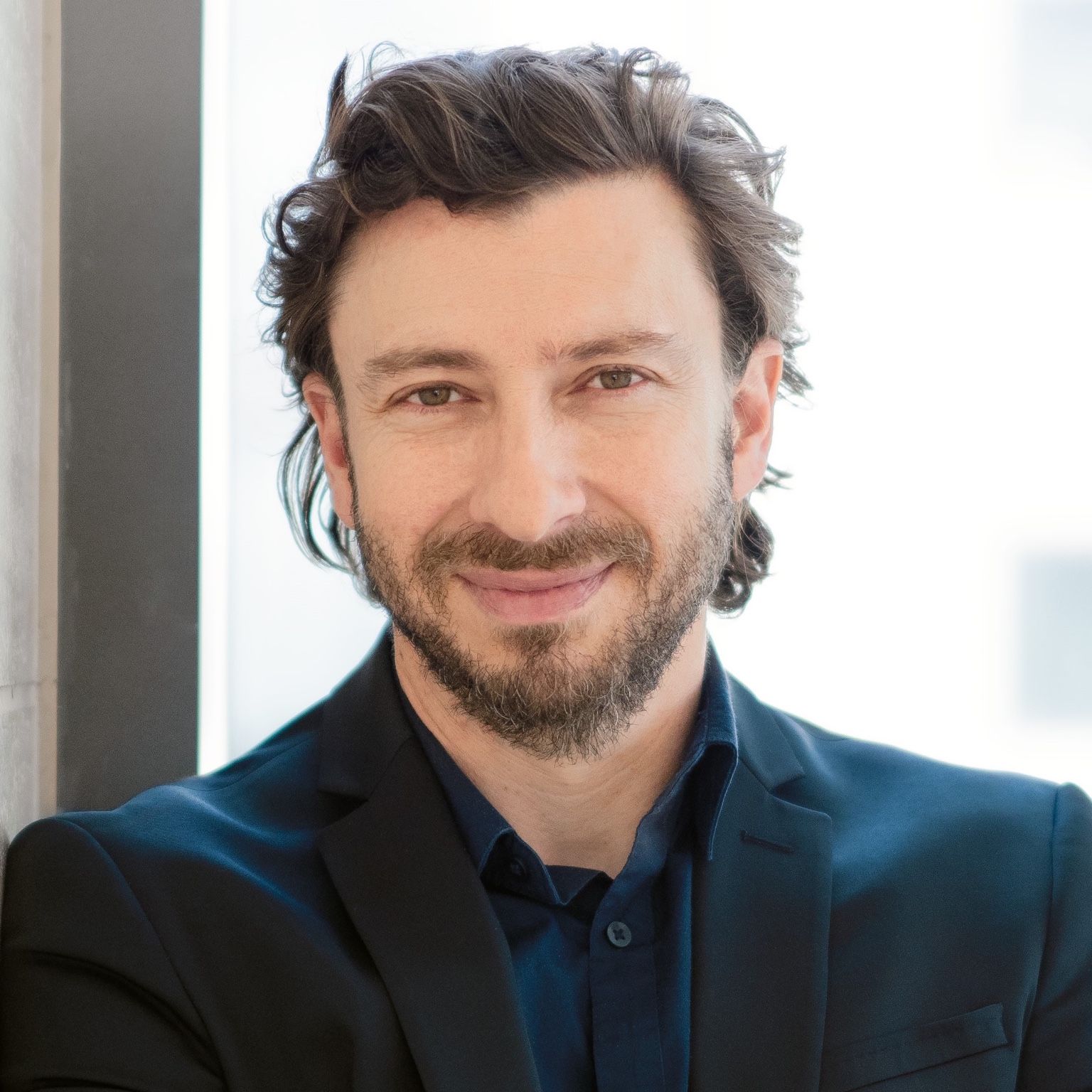
Dr. Demis Hassabis

Dr. Demis Hassabis
PhD

Artificial Intelligence, AlphaFold & Scientific Discovery
Dr. Eliyahu Goldratt

Dr. Eliyahu Goldratt
PhD

Theory of Constraints & Systems Improvement
Dr. Michael Levin

Dr. Michael Levin
PhD

Bioelectricity, Collective Cellular Intelligence & Goal-Directed Biology
Dr. Donella Meadows

Dr. Donella Meadows
PhD

System Goals & Leverage Points
Larry Page

Larry Page

The Fourth P: Participatory
David J. Galas

David J. Galas

Co-author, 2008 P4 Medicine White Paper
White paper reference
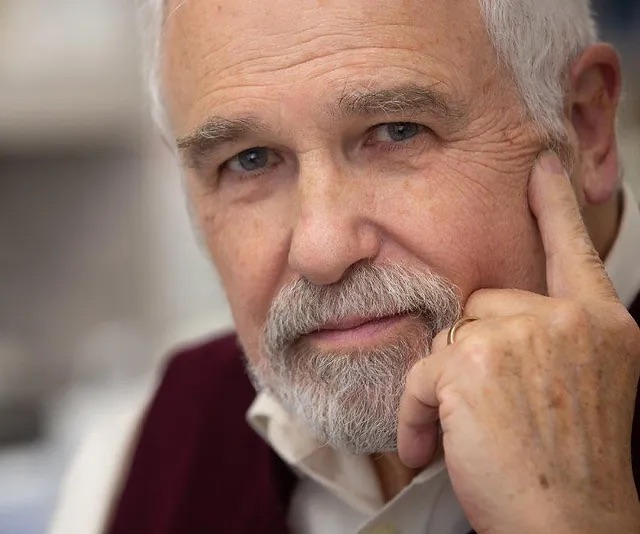
Stephen H. Friend

Stephen H. Friend

P4 Cancer Medicine & Patient Participation
2011 publication
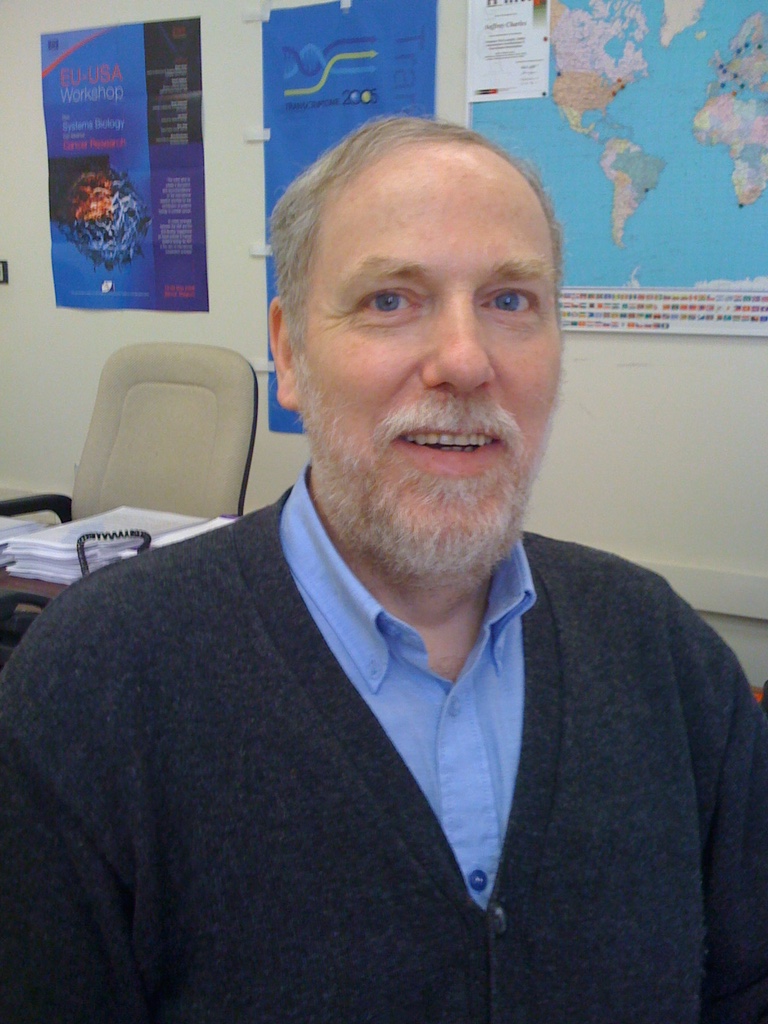
Charles Auffray

Charles Auffray

P4 Systems Biology & Participatory Medicine
P4 foundations paper
Mauricio A. Flores

Mauricio A. Flores

Proactive P4 Medicine & Healthcare Transformation
Proactive P4 medicine
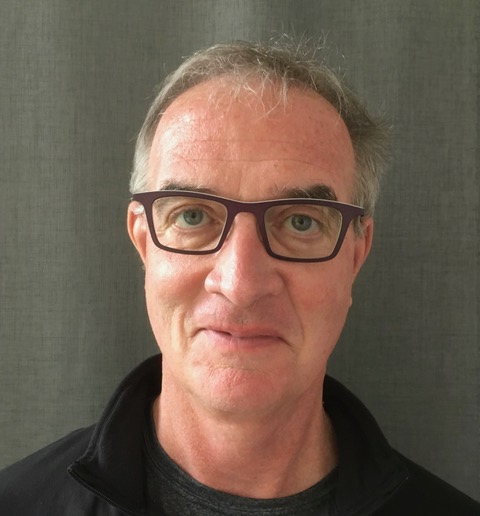
Gustavo Glusman

Gustavo Glusman

Co-author, P4 Healthcare & Society Transformation
2013 publication
Kristin Brogaard

Kristin Brogaard

Co-author, P4 Healthcare & Society Transformation
2013 publication
Ralph Snyderman

Ralph Snyderman

Prospective Personalized Healthcare & Proactive Planning
Professional profile

Dr. Demis Hassabis portrait: The Royal Society / Duncan.Hull, CC BY-SA 4.0. Dr. Donella Meadows portrait: The Donella Meadows Project. Dr. Michael Levin portrait provided by the site owner. Additional portrait sources: Galas: PNRI; Friend: 4YouandMe; Auffray: Bibliotheca Alexandrina; Glusman: scholarly profile; Brogaard: Path Fertility; Snyderman: Duke University. Mauricio A. Flores portrait provided by the site owner. Inclusion reflects foundational ideas informing P5 and the proposed P6, not endorsement of or collaboration on this framework.

ONE PERSON. ONE PLAN.
ONE CONSTRAINT AT A TIME.

Identify the constraint that most limits healthspan and prioritize what to do about it first.

P5

CONSTRAINT-FOCUSED
P5 MEDICINE

POWERED BY

  • AI & Machine Learning
  • Digital Twins
  • Multi-omics & Biomarkers
  • Decision Intelligence
  • Continuous Measurement
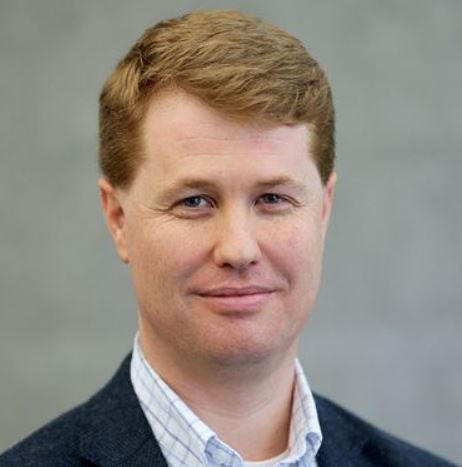
Dr. Alan Barnard

Dr. Alan Barnard, PhD

Co-developer. Decision scientist and architect of Constraint-Focused P5 Medicine, who named P5 (Prioritized) and the proposed P6 (Purpose-driven).

∞
Dr. Graham Simpson

Dr. Graham Simpson, MD

Co-developer. Era III Medicine pioneer and expert in clinical longevity.

THE CFP5 FRAMEWORK

Measure. Prioritize. Experiment. Learn.

A repeating clinical learning loop that converts abundant information into a defensible next action.

01

Measure

Gather enough clinical, functional, biological and patient-reported information to identify risks and candidate constraints.

02

Prioritize

Separate the diagnostic MANY from the monitoring FEW and identify the current constraint set and weakest link.

03

Run the ONE Experiment

Define intervention, dosage, duration, expected response, review date, compliance threshold and stopping rule.

04

Learn & Reprioritize

Monitor compliance, lead and lag measures; continue, adjust, stop or identify the next limiting constraint.

MANY

Measurements, findings and possible interventions.

FEW

The vital constraints that materially limit the system.

ONE

The best next experiment to begin now.

A PROPOSED SIXTH P

Purpose-driven: a proposal, not established medicine

P5 asks what to prioritize. The proposed P6 asks a further question: what meaningful, person-defined goal does health serve? This is offered as a hypothesis for debate and testing, not as an accepted part of clinical practice.

For

Why purpose may belong in the framework

  • In systems thinking, the goal of a system shapes its priorities. Dr. Donella Meadows identified system goals as a high leverage point.
  • Goals a person finds meaningful may help sustain engagement with a prioritized plan.
  • A meta-analysis reported that higher purpose in life was associated with lower all-cause mortality and cardiovascular events (PubMed 26630073).
  • Plausible pathways exist through stress physiology, as described in research on allostatic load (PubMed 9629234).
Against

Why caution is warranted

  • The evidence is observational. Confounding and reverse causation, where better health enables a stronger sense of purpose, remain real possibilities.
  • There is no proof that interventions targeting purpose extend life.
  • Purpose may overlap with what personalized and participatory care already address.
  • Goal-directedness in cells, as studied by Dr. Michael Levin, is not the same as felt human purpose and should not be conflated with it.
  • Meaning must be defined by the patient. Care should never assign blame for illness or impose beliefs about what a life should be for.

The proposed P6 is an online proposal supplement. It is not part of the Version 4.0 position paper.

A TESTABLE SCIENTIFIC FRAMEWORK

A research agenda, not established doctrine

The central test is whether explicit constraint-based prioritization improves validated healthspan outcomes at equal or lower burden than comprehensive non-prioritized care.

Identify constraints

Can independent clinicians identify dominant physiological constraints reliably above chance?

Operationalize priority

Can transparent models improve reliability and predictive validity over unstructured judgment?

Compare outcomes

Does prioritized sequential care outperform comprehensive parallel care?

Test energy

Is energy supply-demand imbalance a dominant constraint in a meaningful subset of aging adults?

Test purpose-driven planning

Does adding purpose-driven planning to P5 improve validated function, quality of life or adherence burden compared with P5 alone?

Test purpose causally

Do purpose interventions causally affect health, and through which mechanisms, when tested in prospective randomized studies that address confounding and reverse causation?

RESOURCES

Start with the Position Paper

A curated learning library tracing the scientific, technological and systems-thinking foundations of Constraint-Focused P5 Medicine.

Constraint-Focused P5 Medicine Position Paper cover
FREE POSITION PAPER · VERSION 4.0

Constraint-Focused P5 Medicine: Applying Theory of Constraints, AI and Digital Twins to Prioritize Healthspan Interventions

Dr. Alan Barnard & Dr. Graham Simpson · August 2026

This foundational paper proposes a fifth principle—Prioritized—to extend P4 Medicine. It introduces Constraint Physiology, Constraint Intelligence, the Energy Constraint Hypothesis and Decision Intelligence, and frames prioritization as an evolving, falsifiable object of research rather than established doctrine.

A proposed sixth P, Purpose-driven, is presented on this website as an online proposal supplement. The Version 4.0 PDF is unchanged and does not include it. Read the P6 proposal.

SLIDE DECK

Introducing P5 Medicine

Presentation · PowerPoint

The companion slide deck introducing Constraint-Focused P5 Medicine — the evolution from P4 Medicine, the fifth P (Prioritized), the Many→Few→One approach and the CFP5 clinical learning loop.

RECOMMENDED READING

Books behind the evolution to P5 Medicine

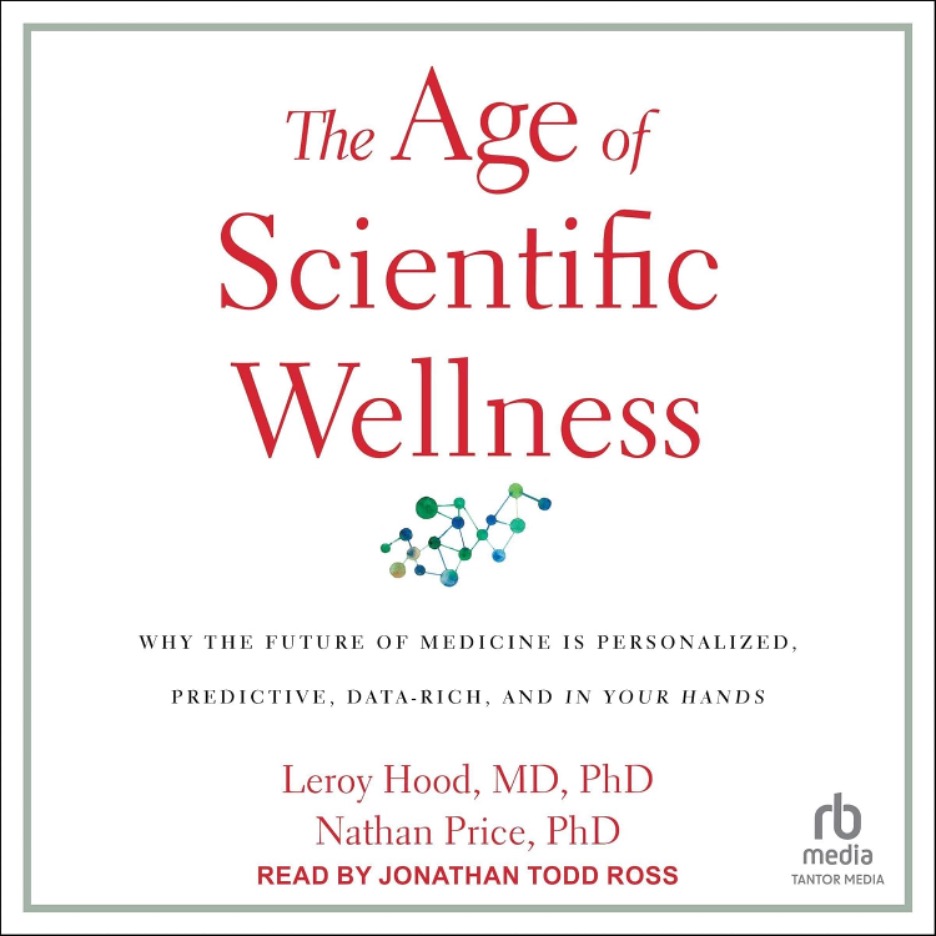
The Age of Scientific Wellness book cover
APRIL 4, 2023

The Age of Scientific Wellness: Why the Future of Medicine Is Personalized, Predictive, Data-Rich, and in Your Hands

Dr. Leroy Hood, MD, PhD & Dr. Nathan Price, PhD

Explains how systems biology, longitudinal multi-omics, artificial intelligence and continuous measurement can transform reactive care into predictive, preventive, personalized and participatory medicine.

Purchase on Amazon
The Infinity Machine book cover
MARCH 31, 2026

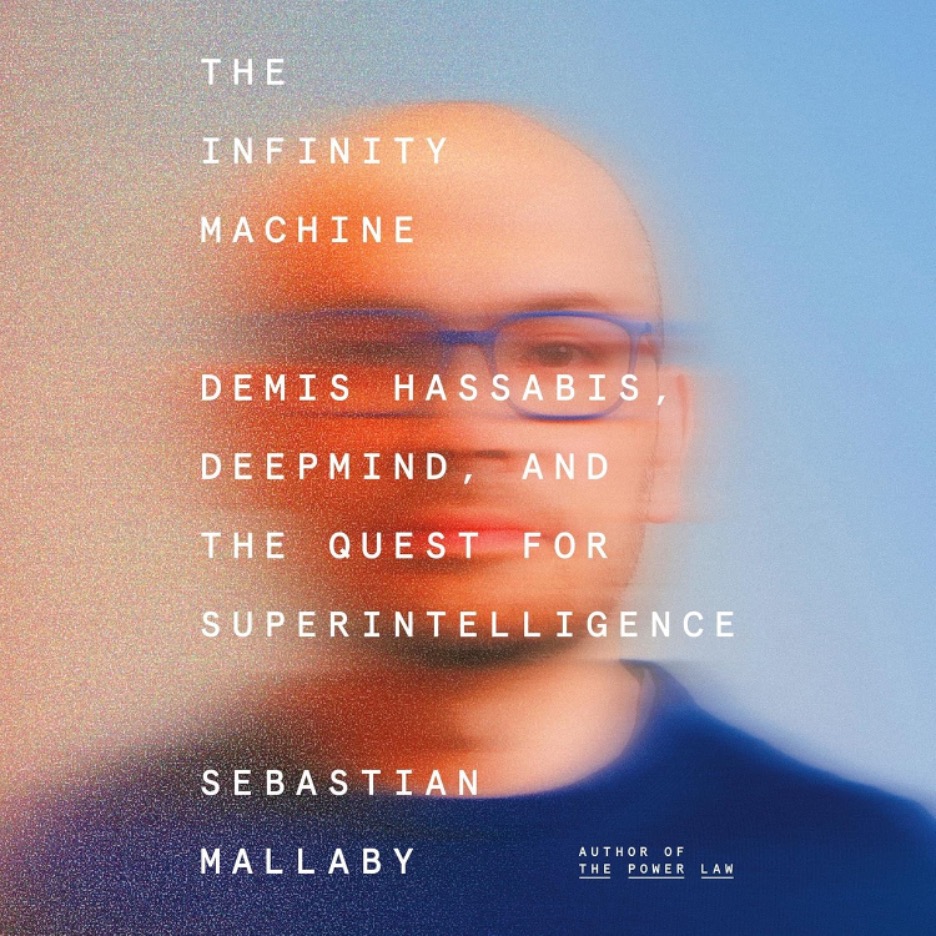
The Infinity Machine: Demis Hassabis, DeepMind, and the Quest for Superintelligence

Sebastian Mallaby

A biography of Dr. Demis Hassabis and DeepMind that traces the development of modern artificial intelligence, AlphaGo, AlphaFold and the use of AI as an engine for scientific discovery.

Purchase on Amazon
Era III Medicine book cover
2025

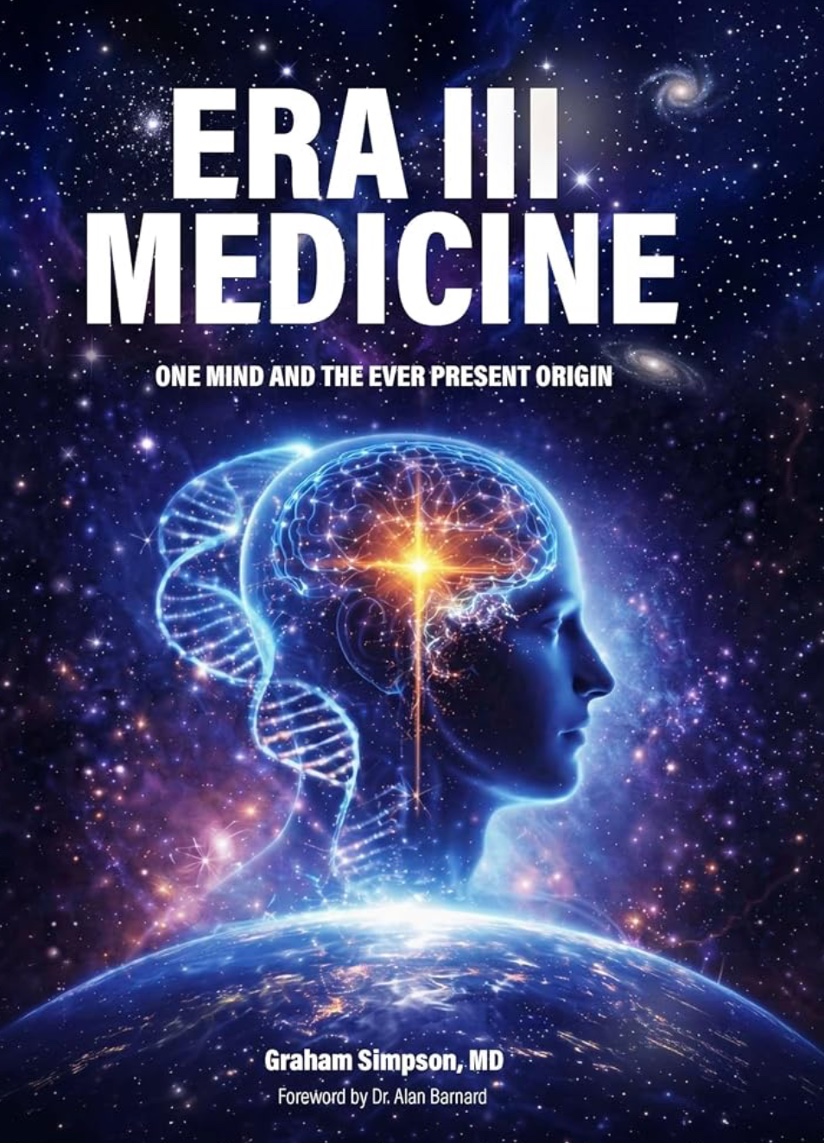
Era III Medicine: One Mind and the Ever Present Origin

Dr. Graham Simpson, MD · Foreword by Dr. Alan Barnard

Presents a whole-person approach to clinical longevity, integrating systems biology, personalized diagnostics, mitochondrial health and continuous optimization to extend healthspan.

Purchase on Amazon
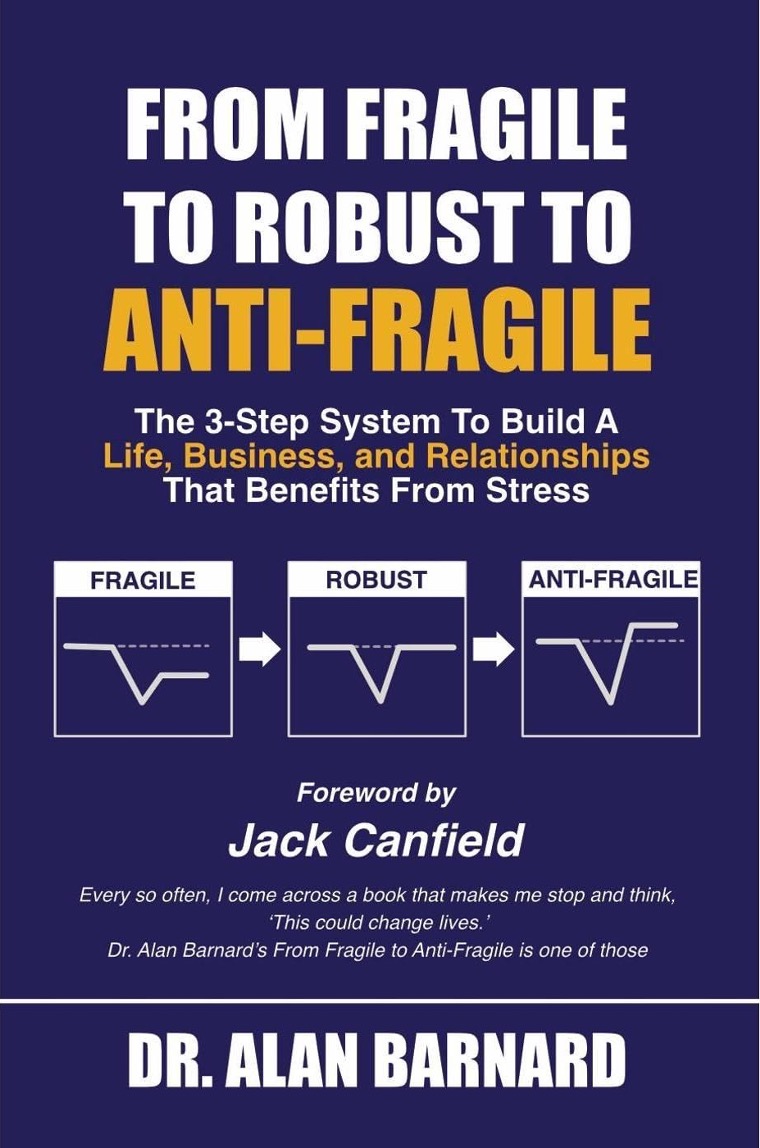
From Fragile to Robust to Anti-Fragile book cover
MAY 7, 2025

From Fragile to Robust to Anti-Fragile: The 3-Step System to Build a Life, Business, and Relationships That Benefits from Stress

Dr. Alan Barnard, PhD · Foreword by Jack Canfield

Shows how to identify vulnerabilities, build protective capacity and design systems that do more than survive stress—becoming stronger from it across life, business and relationships.

Purchase on Amazon
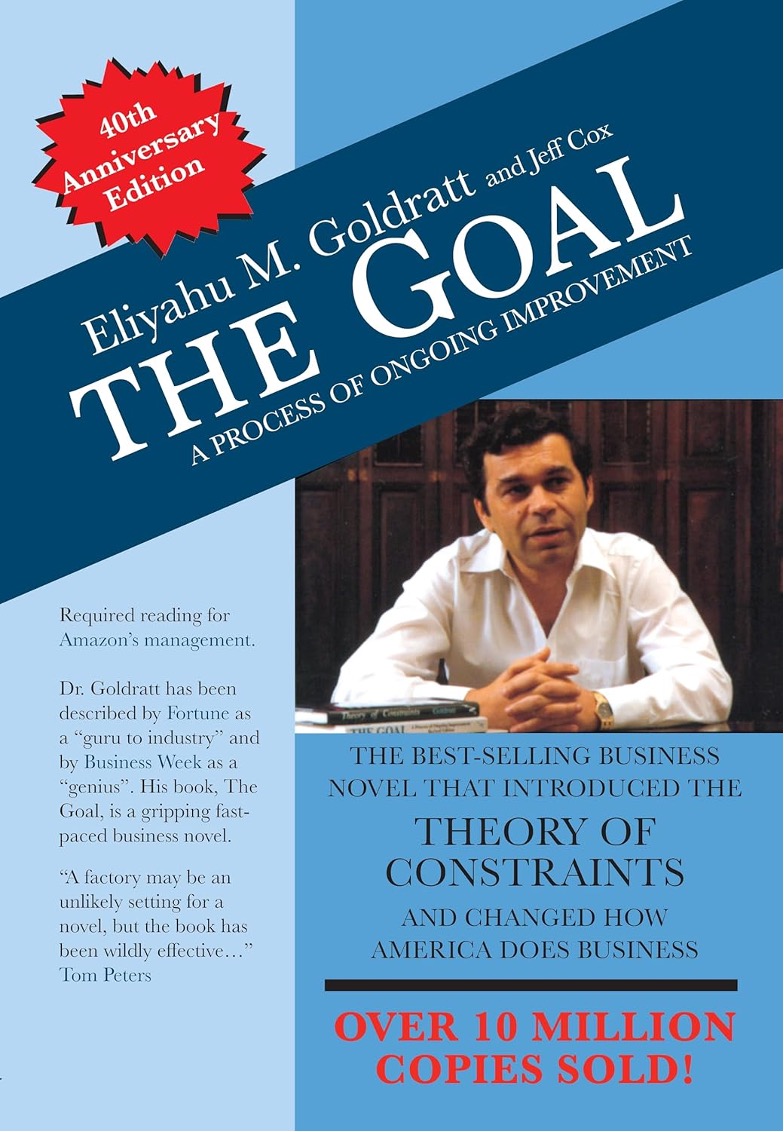
The Goal book cover
FIRST PUBLISHED 1984 · 40TH ANNIVERSARY EDITION 2024

The Goal: A Process of Ongoing Improvement

Dr. Eliyahu M. Goldratt, PhD & Jeff Cox

The landmark business novel that introduced the Theory of Constraints: overall performance is governed by a limiting constraint, and the greatest leverage comes from improving that constraint first.

Purchase on Amazon

The Clinical Methodology is proprietary and is intentionally not published on this website. All resources are educational and do not constitute medical advice.

HELP DEVELOP THE FIELD

Participate in the next chapter

We invite physicians, researchers, clinics, technology partners and patient advocates to test, challenge and improve Constraint-Focused P5 Medicine.

For Physicians

Apply explicit, transparent prioritization to complex preventive and longevity care.

For Researchers

Design prospective tests of constraints, prioritization, implementation and outcomes.

For Clinics

Explore structured programs integrating clinical expertise, AI and Digital Twins.

For Innovators

Build trustworthy tools that help clinicians find the few and act on the one.

Express interest